Our Three Step Process
December 29, 2025
The Alarming Impact of Waste on Humans and Future Generations
Our Three Step Process
December 29, 2025
The Alarming Impact of Waste on Humans and Future Generations
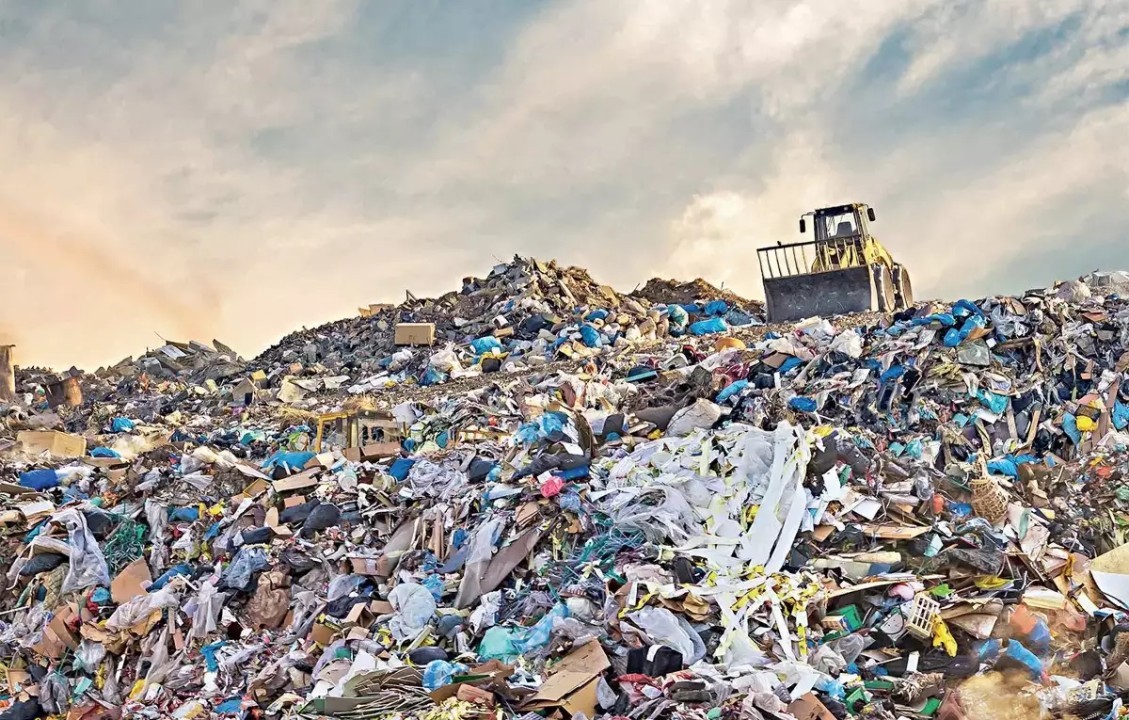
Waste isn’t just something we toss into a bin and forget about. It’s becoming one of the biggest threats to our health, our environment, and the future we’re leaving behind. Every single day, the world produces an overwhelming amount of trash 2.01 billion tonnes of municipal solid waste back in 2016, and that number is expected to jump to 3.4 billion tonnes by 2050. It’s hard to imagine, but those numbers represent a growing crisis we can’t afford to ignore.
Waste isn’t just something we toss into a bin and forget about. It’s becoming one of the biggest threats to our health, our environment, and the future we’re leaving behind. Every single day, the world produces an overwhelming amount of trash 2.01 billion tonnes of municipal solid waste back in 2016, and that number is expected to jump to 3.4 billion tonnes by 2050. It’s hard to imagine, but those numbers represent a growing crisis we can’t afford to ignore.
Waste isn’t just something we toss into a bin and forget about. It’s becoming one of the biggest threats to our health, our environment, and the future we’re leaving behind. Every single day, the world produces an overwhelming amount of trash 2.01 billion tonnes of municipal solid waste back in 2016, and that number is expected to jump to 3.4 billion tonnes by 2050. It’s hard to imagine, but those numbers represent a growing crisis we can’t afford to ignore.
How Waste Is Hurting Us Today
When waste isn’t managed properly, the consequences ripple through every part of life:
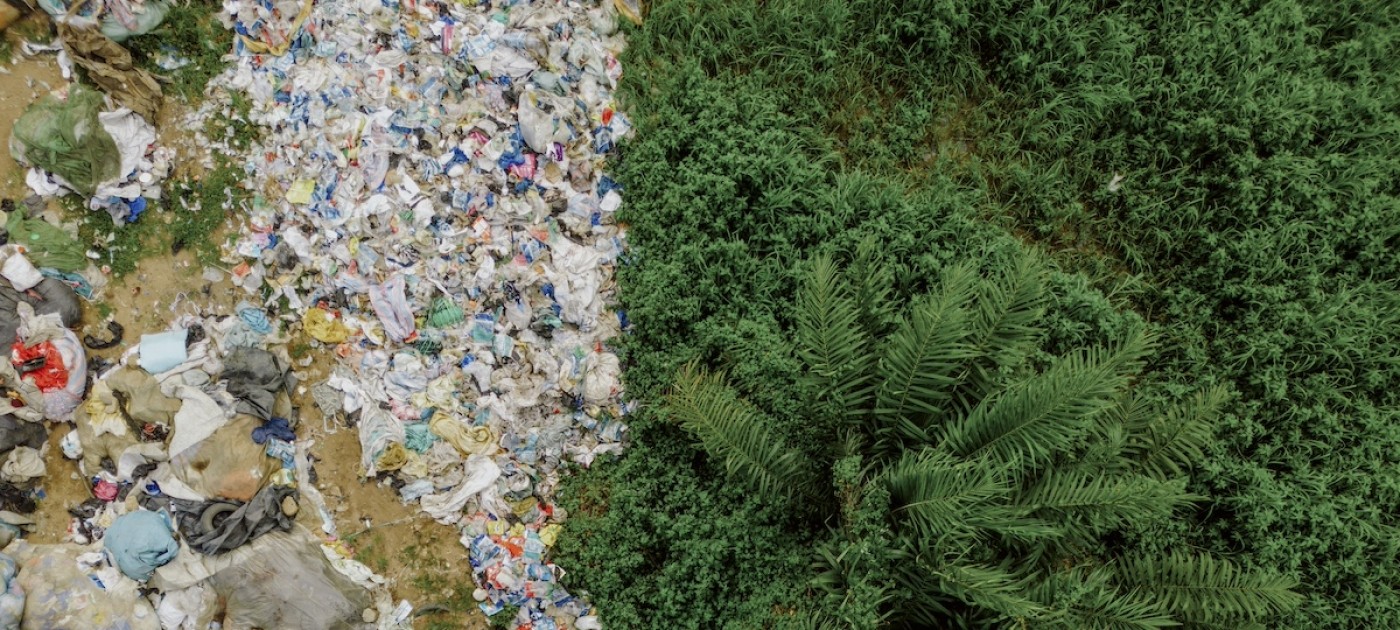
Our environment suffers. Trash seeps into soil, waterways, and the air we breathe. It destroys ecosystems and puts countless species at risk.
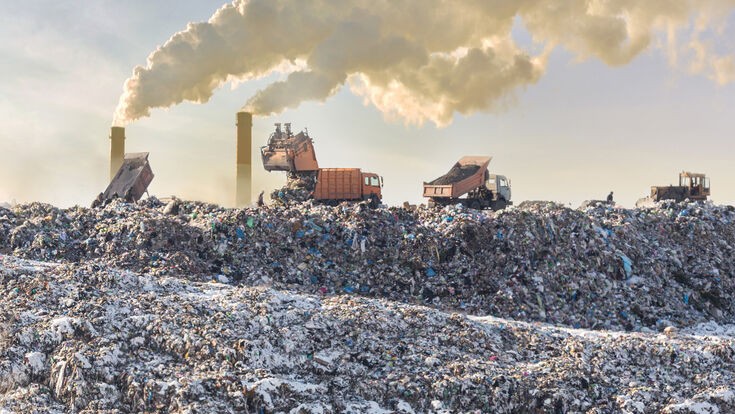
Climate change accelerates. Organic waste breaks down and produces methane (a greenhouse gas far more potent than carbon dioxide).
Our health is directly impacted. Toxic waste and polluted air contribute to respiratory issues, cancers, and even neurological problems.
And the Impact on Future Generations Is Even More Concerning
We’re not just talking about temporary damage we’re shaping a world our children and grandchildren will have to inherit.
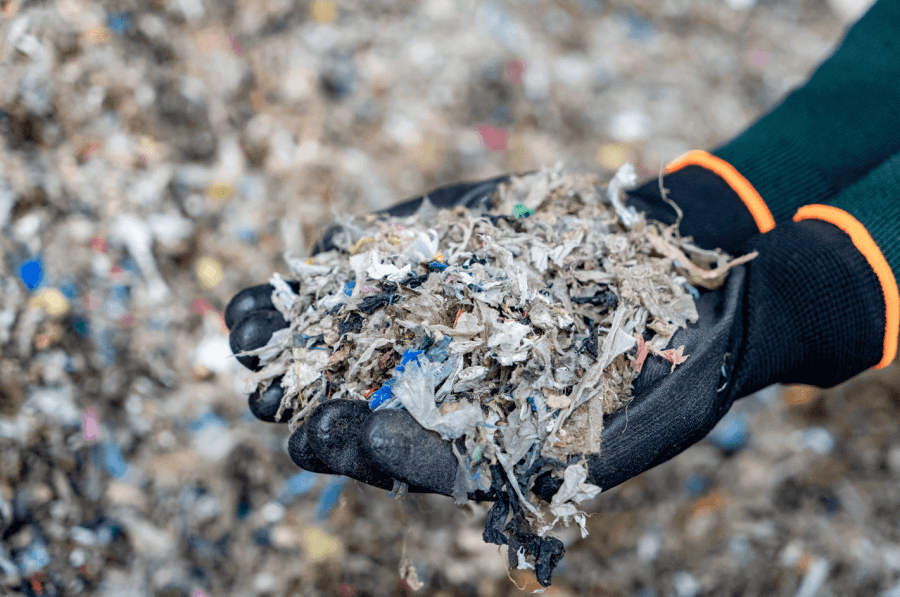
The plastic problem is growing. Every year, around 8 million tonnes of plastic end up in the ocean, threatening marine life and eventually making its way back to us through the food chain.
Our resources are disappearing. We’re consuming faster than the planet can replenish, leaving fewer resources for those who come after us.
Food security is at risk. Waste and pollution damage agricultural lands, making it harder to grow healthy, nutritious food.
The World Health Organization estimates that 7–8 million people die prematurely every year due to air pollution, much of it tied to the way we handle waste. It’s a staggering reminder that this issue affects every one of us.
But There’s Still Time to Act
We’re not powerless. In fact, the choices we make today can transform the future:
Embrace circular economy practices that keep materials in use longer
Commit to the basics: Reduce, Reuse, Recycle
Support investment in modern waste management systems
Shift toward sustainable consumption habits
This is our moment to choose what kind of world we want to leave behind. The waste crisis isn’t just an environmental issue it’s a human one. And we owe it to ourselves, our children, and every generation that follows to take meaningful action now.
Waste isn’t just something we toss into a bin and forget about. It’s becoming one of the biggest threats to our health, our environment, and the future we’re leaving behind. Every single day, the world produces an overwhelming amount of trash 2.01 billion tonnes of municipal solid waste back in 2016, and that number is expected to jump to 3.4 billion tonnes by 2050. It’s hard to imagine, but those numbers represent a growing crisis we can’t afford to ignore.
How Waste Is Hurting Us Today
When waste isn’t managed properly, the consequences ripple through every part of life:
Our environment suffers. Trash seeps into soil, waterways, and the air we breathe. It destroys ecosystems and puts countless species at risk.
Climate change accelerates. Organic waste breaks down and produces methane (a greenhouse gas far more potent than carbon dioxide).
Our health is directly impacted. Toxic waste and polluted air contribute to respiratory issues, cancers, and even neurological problems.
And the Impact on Future Generations Is Even More Concerning
We’re not just talking about temporary damage we’re shaping a world our children and grandchildren will have to inherit.
The plastic problem is growing. Every year, around 8 million tonnes of plastic end up in the ocean, threatening marine life and eventually making its way back to us through the food chain.
Our resources are disappearing. We’re consuming faster than the planet can replenish, leaving fewer resources for those who come after us.
Food security is at risk. Waste and pollution damage agricultural lands, making it harder to grow healthy, nutritious food.
The World Health Organization estimates that 7–8 million people die prematurely every year due to air pollution, much of it tied to the way we handle waste. It’s a staggering reminder that this issue affects every one of us.
But There’s Still Time to Act
We’re not powerless. In fact, the choices we make today can transform the future:
Embrace circular economy practices that keep materials in use longer
Commit to the basics: Reduce, Reuse, Recycle
Support investment in modern waste management systems
Shift toward sustainable consumption habits
This is our moment to choose what kind of world we want to leave behind. The waste crisis isn’t just an environmental issue it’s a human one. And we owe it to ourselves, our children, and every generation that follows to take meaningful action now.
Waste isn’t just something we toss into a bin and forget about. It’s becoming one of the biggest threats to our health, our environment, and the future we’re leaving behind. Every single day, the world produces an overwhelming amount of trash 2.01 billion tonnes of municipal solid waste back in 2016, and that number is expected to jump to 3.4 billion tonnes by 2050. It’s hard to imagine, but those numbers represent a growing crisis we can’t afford to ignore.
Waste isn’t just something we toss into a bin and forget about. It’s becoming one of the biggest threats to our health, our environment, and the future we’re leaving behind. Every single day, the world produces an overwhelming amount of trash 2.01 billion tonnes of municipal solid waste back in 2016, and that number is expected to jump to 3.4 billion tonnes by 2050. It’s hard to imagine, but those numbers represent a growing crisis we can’t afford to ignore.
How Waste Is Hurting Us Today
When waste isn’t managed properly, the consequences ripple through every part of life:
Our environment suffers. Trash seeps into soil, waterways, and the air we breathe. It destroys ecosystems and puts countless species at risk.
Climate change accelerates. Organic waste breaks down and produces methane (a greenhouse gas far more potent than carbon dioxide).
Our health is directly impacted. Toxic waste and polluted air contribute to respiratory issues, cancers, and even neurological problems.
And the Impact on Future Generations Is Even More Concerning
We’re not just talking about temporary damage we’re shaping a world our children and grandchildren will have to inherit.
The plastic problem is growing. Every year, around 8 million tonnes of plastic end up in the ocean, threatening marine life and eventually making its way back to us through the food chain.
Our resources are disappearing. We’re consuming faster than the planet can replenish, leaving fewer resources for those who come after us.
Food security is at risk. Waste and pollution damage agricultural lands, making it harder to grow healthy, nutritious food.
The World Health Organization estimates that 7–8 million people die prematurely every year due to air pollution, much of it tied to the way we handle waste. It’s a staggering reminder that this issue affects every one of us.
But There’s Still Time to Act
We’re not powerless. In fact, the choices we make today can transform the future:
Embrace circular economy practices that keep materials in use longer
Commit to the basics: Reduce, Reuse, Recycle
Support investment in modern waste management systems
Shift toward sustainable consumption habits
This is our moment to choose what kind of world we want to leave behind. The waste crisis isn’t just an environmental issue it’s a human one. And we owe it to ourselves, our children, and every generation that follows to take meaningful action now.
Other Blogs
Check our other project Blogs with useful insight and information for your businesses
Other Blogs
Check our other project Blogs with useful insight and information for your businesses
Other Blogs
Check our other project Blogs with useful insight and information for your businesses